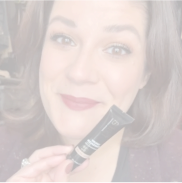


Even for a minimal makeup look, concealers can really change the way you look and feel. All makeup is designed to bring out your inner beauty, and concealers can help you feel confident, glamorous, and ready to take on the day.
In this article, we’ll discuss the benefits of concealer, how to use it, and how to pick your shade.
What You Can Use It For
Concealer is typically used for a few standard things:
Hiding blemishes: Concealer can be used as a spot corrector to hide blemishes on any part of your face and neck.
Evening out the color of your under eyes: If you have dark under-eye circles, concealers can be a great way to blend the color of your under-eye to the color of your face.
Contouring: Some people enjoy contouring to achieve a more glamorous look, in which case they will use concealer to create the illusion of a higher cheekbone, or to make their nose appear thinner and straighter.
Smoothing fine lines and wrinkles: If you have fine lines and wrinkles, you might feel the need to cover them up ever so gently. The right concealer can do just that.
What Do You Need It For
Selecting your shade of concealer can depend on what you need it for.
For example, if you primarily use concealer for your under-eye circles, you will want to select a shade that is slightly lighter than your skin tone. Not only will this blend better, but it will brighten up the area around your eyes.
For the same reason, contouring will require a slightly lighter shade of concealer in order to uplift the targeted areas.
If you need a concealer for blemishes, fine lines, and wrinkles, you will need to select a shade of concealer that is the closest to your skin tone. This will make the blending look natural, no matter where you are applying the concealer. If you go too light on spots that are not underneath the eyes, it will pull attention to the very spot you are trying to conceal.
Why Fièra’s Concealer Works So Well for This Step
Choosing the right concealer shade is only part of the equation. How the formula behaves on the skin matters just as much, especially as texture and dryness become more noticeable over time.
As skin matures, changes in hydration and elasticity can make heavy or drying makeup more likely to settle into fine lines, which is why lightweight, conditioning formulas tend to perform better over time.
Fièra’s Luxury Concealer was developed with those realities in mind. Instead of relying on heavy pigments or drying finishes, the formula focuses on comfortable coverage that blends easily and wears well throughout the day. The goal is a natural, skin-like finish that evens tone without settling into fine lines.
This signature formula features:
-
Sodium hyaluronate, vitamins C and E, and hydrolyzed collagen to support skin comfort
-
Hydration and a smoother-looking finish throughout wear
-
Thoughtful performance for delicate areas like under the eyes, where shade accuracy and texture matter most
If you’re still deciding between shades, understanding when to go lighter and when to stay true to your skin tone makes the process much easier.
It also helps to know your undertone, since warmth or coolness can affect how a shade settles on the skin, which is why we’ve done a breakdown of how to identify your skin’s undertone as a handy reference before committing.
How to Tell If You’ve Chosen the Right Concealer Shade
Finding the best concealer shade is less about memorizing rules and more about knowing what to look for once it’s on your skin. These questions can help guide your decision.
How do I find the best concealer shade for my skin tone?
Start by identifying your skin tone range: fair, light, medium, tan, or deep. Then refine by undertone. The best concealer shade blends into your skin without leaving a visible edge once lightly diffused. If it looks seamless before full blending, it’s likely a good match.
How do I choose the right concealer shade for under-eye circles?
For under-eye circles, a concealer that is slightly lighter than your skin tone helps brighten darkness and create a more rested appearance. Dermatologists caution against going too light, since overly pale shades can emphasize texture and shadows rather than soften them.
How do I choose a concealer shade for blemishes and redness?
For blemishes, redness, and discoloration, choose a concealer that matches your natural skin tone as closely as possible. A true-to-skin match blends more naturally and prevents the area from standing out.
Should concealer be lighter or darker than foundation?
Concealer should generally be the same shade as your foundation or slightly lighter, depending on placement.
Under the eyes: slightly lighter
Blemishes or redness: same shade as foundation
Using a darker concealer can draw attention, while shades that are too light may look ashy or unnatural.
What concealer shades work best for fair skin tones?
Fair skin tones tend to look best with concealers that stay close to the skin’s natural brightness without leaning overly yellow or dark. Balanced, softly bright shades help prevent a heavy or gray appearance, especially under the eyes.
How do I find the right concealer shade for medium skin tones?
Medium skin tones often span multiple undertones. Look for brands that offer several undertone options within the medium range. Matching undertone is just as important as matching depth for a natural finish.
What are the best tips for choosing the right concealer color?
Always check concealer in natural light, blend slightly beyond the application area, and allow it to settle for a minute before deciding. A shade that changes color after settling may not be ideal for long wear.
Final Touches
To apply your concealer, make sure your face is clean, and apply a small dollop of the product onto your brush, then either dab or sweep it onto the necessary areas. Make sure to blend the concealer with the brush before applying more makeup.
If you're not sure about your shade, take our shade match quiz.